Why We Need a Roadmap for the Future

Why Washington Must Invest in Long-Term Planning Now

We are almost halfway through the legislative session, and it has been a flurry of activity—hearings, executive sessions, meetings—it’s all a bit of a blur. Wednesday, February 4, marked the first major cutoff, when bills needed to be passed out of policy committees. The next key deadline was Monday, February 9, when bills must have been out of the fiscal (money) committees in order to stay alive this session.

Over the past few weeks, we’ve been asked whether there is any legislative activity aimed at closing Residential Habilitation Centers (RHCs). The short answer is: no. There are currently no bills this session that would close RHCs.

What is happening is a series of small, bipartisan bills intended to gather information, improve transparency, and preserve historical context—steps that can help inform future decisions. These bills include:

  • SB 5863 – An act relating to the preservation and inspection of state historical records
  • HB 2319– Renaming certain state residential facilities for persons with developmental disabilities takes out the word “school”.
  • HB 2350– Increasing transparency regarding Residential Habilitation Center compliance with specific federal requirements

Last year, one of the primary arguments against closing RHCs was that “there was no plan” for how to transition people and build the necessary community-based supports. That concern is real—and it has been echoed for years.

The Developmental Disabilities Community Services (DDCS) system has produced numerous reports and studies, including  The Rucklehaus Report (2019), which identified significant challenges and outlined thoughtful potential solutions. Unfortunately, many of those recommendations stalled during the pandemic and were never fully implemented.
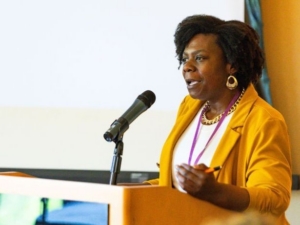
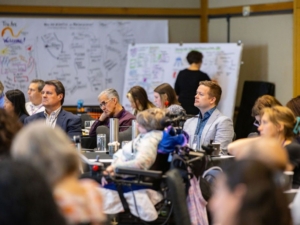
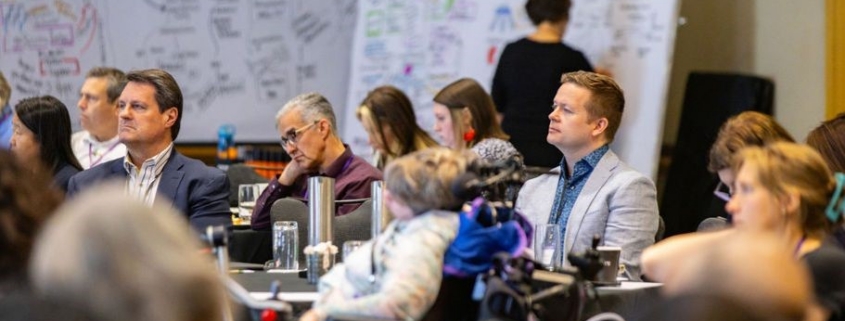
Last summer, The Arc convened dozens of legislators, community members, and disability policy experts at first National Developmental Disabilities Legislative Symposium to review how far we’ve come in Washington state and what is next for investments in community services.

In addition, DDCS has held multiple listening sessions over the past several years, including through the Legislative and Regulatory Community Council (LRCC). These forums consistently highlighted serious gaps in community supports—particularly for individuals in crisis and people with high and complex support needs. The issues are well known. What we continue to lack is a clear, coherent, and funded plan to move forward.

When Governor Inslee took office 13 years ago, he made what was then ALTSA (Aging and Long-Term Services Administration), now part of HCLA, a clear priority. A robust stakeholder process produced a strategic plan to move away from institutional care and toward community-based services. Today, Washington State is considered first or second in the nation (depending on the metrics used) and is widely viewed as a national leader. In 2023 alone, ALTSA supported the transition of 8,053 people into community settings. Other states regularly look to Washington as a model.

That expertise exists. Now that DDCS is also housed within HCLA, we believe it’s time to apply that same level of intentional planning, investment, and accountability to developmental disability services.

For too long, DDCS has operated with a “band-aid” approach—small, one-time investments each biennium that are deemed sufficient without addressing systemic barriers. This leaves families, providers, and individuals with developmental disabilities in a constant state of uncertainty.

That’s why The Arc of Washington is asking the Legislature for a proviso to fund a facilitated, 10-year strategic plan. This plan would build on existing reports, incorporate the extensive input from stakeholder listening sessions, and lay out sequenced, intentional investments to strengthen community-based services statewide.

We know there is little new money available in the operating budget this session. However, there is funding in the Dan Thompson Account, which was specifically created to benefit the developmental disabilities community and build statewide capacity. Even in this difficult budget environment, there is an opportunity to take meaningful steps forward.

We cannot afford to wait any longer. Planning now is the only way to ensure that future decisions—whatever they may be—are thoughtful, data-informed, and centered on the needs of people with developmental disabilities and their families.

Call to Action

Now is the time for action. We urge legislators to support a budget proviso that funds a facilitated 10-year strategic plan for Developmental Disability Community Services—a plan grounded in existing research, informed by stakeholder voices, and focused on building real, sustainable community-based supports.

This is not about closing facilities today. It is about doing the responsible work that should have been done years ago: planning for the future, addressing long-standing gaps in services, and ensuring people with developmental disabilities and their families are not left without options.

We ask policymakers to use available resources, including the Dan Thompson Account, to begin this work now. Families, providers, and individuals with developmental disabilities cannot afford to wait another biennium for direction. Every year without a plan is another year of uncertainty, another year of crisis placements, another year people with IDD are struggling without adequate support. The time for planning is now—so that future decisions are thoughtful, data-informed, and centered on dignity and choice – and solutions are chartered across biennial budgets and election cycles.

Let’s plan now, invest strategically, and build the system Washington’s developmental disabilities community has been asking for. The question is no longer whether we have the information to move forward—it’s whether we have the courage to begin.

What Can You Do?

Call your legislator at 1-800-562-6000 and ask them to support the proviso that creates a long-term plan for Developmental Disabilities Community Services.

Coalition of Disability Advocates Urges Legislature to Reject Proposed Medicaid Changes

FOR IMMEDIATE RELEASE:

February 4, 2026

CONTACT: Stacy Dym, media@arcwa.org, Executive Director of The Arc of Washington State

Disability advocates urge rejection of proposed changes to eligibility for Medicaid-funded community services

OLYMPIA, WA – A statewide alliance of sixty-seven private and non-profit organizations are standing together to oppose Governor Ferguson’s proposal to change functional eligibility criteria for support from Development Disabilities Community Services (DDCS). The group, including the statewide membership of the Community Advocacy Coalition for Developmental Disabilities, is urging the legislature to reject the proposed changes as a false cost-saving tactic that would instead shift costs to crisis systems, reduce federal matching revenue, and remove preventative support that allows people with disabilities to successfully participate in their community. The group sent a letter outlining their opposition and concerns to Senate and House Budget Committee Chairs on January 27, 2026. The full text of the letter can be viewed below or at this link.

To be eligible for state Medicaid Waiver or Personal Care Services through DDCS, individuals must demonstrate functional eligibility – that means that every potential client must undergo an assessment to evaluate whether the meet the established criteria that determines the level and type of care they require. Governor Ferguson’s proposed changes to the criteria would narrow eligibility and cut services for 4,000-5,000 people, including 2,000 to 2,500 people with developmental disabilities on the current caseload.

In their letter to budget writers, advocates identified multiple harmful impacts of changing functional eligibility criteria, including:

  • Lost federal revenue from Medicaid matching dollars
  • Cost-shifting to crisis systems by removing preventative support systems
  • Increasing burnout and burden on family caregivers
  • Delayed access for early intervention in children

Stacy Dym, Executive Director of The Arc of Washington State and one of the lead members of the coalition, said about the proposal, “Our state has rightly made the investment to shift care for people with developmental disabilities into a predominantly community-based model. Home and community-based care is the more affordable, the most aligned with research on best outcomes, and the more preferred option for people with disabilities and their families when compared with segregated institutional options. The legislature must stay the course and avoid the false promise of cutting costs by cutting services. For people with developmental disabilities, the need for support does not go away when funding does – it just shifts the stress and chaos into the hospital or emergency services that are not prepared to provide person-centered, personalized care.”

About The Arc of Washington State

In 1936, The Arc of Washington State was formed by parents of institutionalized children with intellectual/developmental disabilities (IDD) who believed their children deserved more – to be included in their communities and to pursue fulfillment and happiness just like everyone else. The Arc has played a pivotal role in changing the public perception of disability and demanding better opportunities for every child’s future. The Arc’s mission is to promote and protect the human rights of people with intellectual and developmental disabilities and actively support their full inclusion and participation in the community throughout their lifetimes. Learn more about The Arc of Washington State at arcwa.org.

About the Community Advocacy Coalition for Developmental Disabilities (CAC)

The Community Advocacy Coalition for Developmental Disabilities (CAC) is a grassroots coalition for developmental disabilities that advocates with a common voice for meaningful community living for people with developmental disabilities at the state and local levels. CAC membership consists of any community-based organization that is a nonprofit 501c3, a private business, a chapter of a statewide nonprofit organization, or a governmental association, council, coalition, board or commission that have a primary focus to support, serve and advocate for people with developmental disabilities. The CAC is comprised of over 50 different member organizations that agree to support the core values of the CAC and agree to abide by the group’s responsibilities/rules.

###

The full text of the letter can be viewed below or at this link.

CAC Letter to Legislature - 2026.1.27

DD Advocacy Blog: We rallied in Olympia!

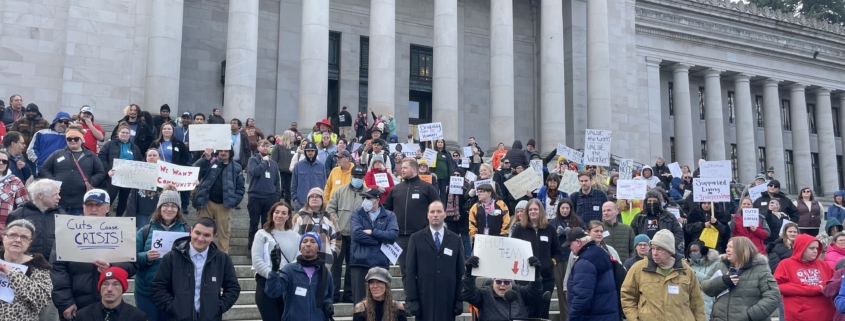
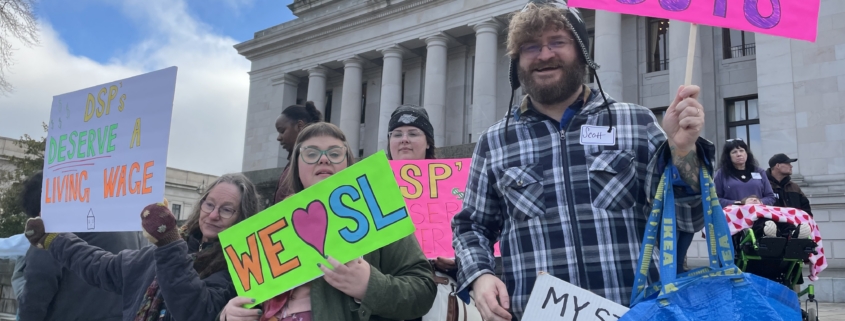
On a beautiful but cold Wednesday afternoon, hundreds of individuals with disabilities, families, providers, and advocates from across Washington State gathered on the Capitol steps to raise their voices in unity. Their message was clear and urgent: protect the right to community living and preserve the essential services people with disabilities need to live full, independent lives.

A Threat to Essential Services

With looming threats to disability services, advocates are sounding the alarm — disability services are essential and must be protected from cuts.

The Governor’s proposed budget includes a change that would lower eligibility for long-term care services beginning in 2028, including access to home and community-based waivers and personal care services. While presented as a cost-saving measure, this proposal would have devastating consequences for thousands of Washingtonians.

The Impact

We are only beginning to understand the full impact of this proposal. Early estimates suggest that between 2,000 and 2,500 people currently receiving Developmental Disabilities Community Services (DDCS) would lose all services.
In addition, another 2,000–2,500 individuals served by the Home and Community Living Administration (HCLA) could also lose vital supports — many of whom are people with intellectual and developmental disabilities (IDD) who opted to receive services through HCLA instead of DDCS.

Although the cuts are aimed at individuals with lower support needs, the real-world impact would be severe. Sometimes, people just need a small amount of support to thrive:

  • A job coach who helps them maintain stable employment
  • A home care worker who visits weekly to provide transportation to get to the store, meal prep, and help around the house
  • A few hours of respite that give families the chance to rest and recharge

When these supports disappear, lives unravel. People may lose their jobs, homes, and independence. Families face burnout. Individuals could end up homeless, hospitalized, institutionalized, or even incarcerated — all of which cost the state far more in the long term.

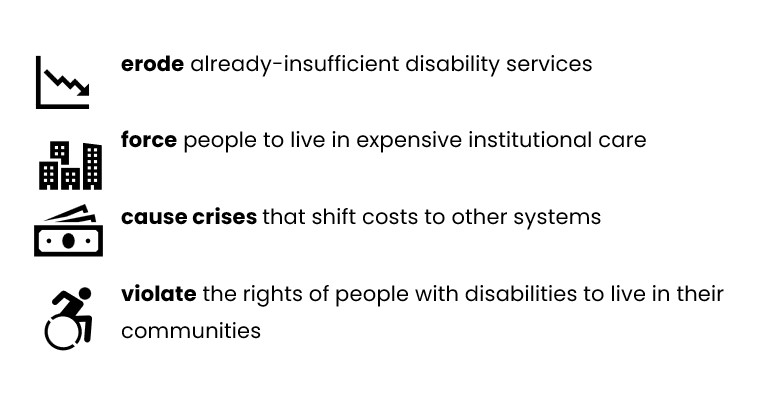
These proposed changes would:

What Comes Next

We are waiting for both the House and Senate to release their budget proposals to see whether they will adopt similar eligibility cuts. The next few weeks are critical.

What You Can Do

Your voice matters. You can help protect community living and essential supports for people with IDD.

Here’s how:

  • Reach out to your legislators, especially those serving on the House Appropriations Committee and Senate Ways & Means Committee.
    Tell them clearly:

“Do NOT make changes to long-term care eligibility. Protect community services and the right to independent living for people with disabilities.”

  •  Stay informed. Track the budget process and follow our budget side by side for comparisons of the House and Senate proposals to see how they will impact people with intellectual and developmental disabilities.

Community Services Save Lives and Save Money


Community-based supports prevent crises, maintain stability, and avoid higher state costs down the line.

Say NO to costly cuts to Medicaid long-term care eligibility.
Say YES to inclusion, independence, and dignity for all Washingtonians.

MEDIA: Legislators call for bipartisan support of community living

Senator Chris Gildon (R) and Representative Janice Zahn (D) have called for bipartisan support of their bill the reduce inefficiencies and make investments in community living go farther for people with intellectual and developmental disabilities. Read the whole editorial at this link: https://www.seattletimes.com/opinion/wa-should-offer-people-with-disabilities-dignity-choice/

Here’s how WA can preserve services for people with disabilities

January 9, 2026, The Seattle Times, by Chris Gildon and Janice Zahn

Washington cannot afford to waste taxpayer dollars on redundant bureaucracy, especially when such inefficiencies get in the way of providing direct services for people in need. This could not be more true when it comes to direct support for people with intellectual and developmental disabilities. It must be a priority during our upcoming 60-day legislative session as we work to manage a difficult state budget situation.

Our goal is simple: streamline oversight of Supported Living services so limited Medicaid funds go further, caregivers spend more time with clients and taxpayers see real value for every dollar spent. That’s why we are working together on bipartisan legislation (SB 6024 and HB 2230) to cut wasteful redundancies, preserve rigorous and focused oversight and direct more of the budget to where it will do the most good.

Because state law requires a balanced budget, and as lawmakers we face another multibillion‑dollar shortfall in 2026, our choice is clear: Either cut services for vulnerable Washingtonians or make existing programs more efficient so we can preserve and strengthen care without relying on new money.

Roughly 4,700 Washingtonians with intellectual and developmental disabilities live in their own homes with the help of Supported Living services. These services are almost entirely funded by Medicaid, which covers the wages of direct support professionals — often providing care 24 hours a day, seven days a week — as well as the administrative systems that connect people with the right support in their communities. There are about 14,000 trained DSPs in our state, and a Supported Living home with three clients relies on 10 direct support professionals to provide care, though many homes have fewer than three clients so that each setting is appropriate for each client’s behavioral health. For example, DSPs help with daily care such as personal hygiene, cooking, cleaning, managing prescriptions, budgeting, grocery shopping and supporting connections in the community. This model is less costly than state‑run facilities, keeps people in their familiar neighborhoods and is already subject to multiple layers of public oversight.

Public oversight of Medicaid programs like Supported Living is important for protecting the interests of taxpayers and the well-being of Supported Living clients. However, over the years, many disparate new policies and agency programs have created overlap and redundancies in this oversight…(Read the rest at this link)


MEDIA: Editorial by Stacy Dym urges protection of community services

The Seattle Times published a powerful guest editorial by Stacy Dym, Executive Director of The Arc of Washington State. Read the beginning here and the rest at this link: https://www.seattletimes.com/opinion/wa-should-offer-people-with-disabilities-dignity-choice/

WA should offer people with disabilities dignity, choice

December 18, 2025, The Seattle Times, by Stacy Dym

“Pink-painted walls. A cat. The freedom to eat popcorn while you watch your favorite TV show. These aren’t luxuries, but they felt that way to my sister when she was finally moved from a state institution for the developmentally disabled into a community-based group home almost 40 years ago.

Thanks to the expansion of state home and community-based services (HCBS), she was allowed to waive her so-called “right” to live in a restrictive institutional environment. Instead, she could choose a home in the community that gave her freedoms most of us take for granted while still providing the care she needed.

Dignity, for her, was as simple as a choice.

Today, 78% of people with intellectual and developmental disabilities in Washington state live with family for the majority of their lifetime. This is largely because there’s nowhere else for them to go.

Although large institutions are no longer the norm, home and community-based services have never received a comparable level of investment in our state. Today, almost one-third of people with IDD who’ve been identified by the state are still waiting for a chance to live in the community.

When family resources run dry, caregivers age or someone gets sick (and they will), crisis is imminent. For people with complex health or behavioral needs, many get stuck for years in the hospital, state institutions or unfit environments that were never meant to be permanent placements.

Now, as our Legislature stares over a fiscal cliff, people with developmental disabilities and their families are terrified about what lies ahead…” (Read the rest at this link).

RELEASE: Disability advocates letter to DSHS urges alternative campus uses for Rainier School

FOR IMMEDIATE RELEASE:

September 12, 2025

CONTACT: Stacy Dym, stacy@arcwa.org, Executive Director of The Arc of Washington State

Closing the Rainier School: Disability advocacy organizations urge DSHS Secretaries to seek alternative campus uses

SEATTLE, WA – The Arc of Washington State and seven affiliated local chapters of The Arc sent a letter this week to the interim and incoming directors of The Department of Social and Human Services (DSHS) urging them to continue their transition away from the existing, outdated institutional model for care of people with developmental disabilities. Attached to the letter, The Arc included their full answers to the four questions posed in a DSHS ninety-day public comment period that resulted from SSB 5393: Closing the Rainier School.

In their recommendations for how to mitigate the impacts of closure, The Arc reminds the state of Washington’s long history of supporting hundreds of previous residents and families during successful transitions from RHCs to community-based care over the past several decades. They cite the specific transition planning guidelines that are outlined in numerous legislative reports from 2019 through 2023 and urge the prioritization of person-centered planning. They acknowledge that while some institutions have provided necessary care in the past, we now have the capacity and responsibility to offer something better: person-centered, inclusive services that support individuals to live, work, and thrive in the communities of their choice.

Despite fervent, decades-long advocacy to close congregate institutions like Rainier School (also called a Residential Habilitation Center, or RHC) led by people with intellectual and development disabilities who are directly at-risk of institutionalization, the state legislature allowed logistical concerns to delay the closure of Rainier School and impede our progress towards a more just, compassionate, and inclusive system of care for people with developmental disabilities.

The Arc wrote in their concluding answer of the public comment:

“The Rainier School campus represents valuable state assets that can better serve Washington residents through alternative uses aligned with evidence-based practices and civil rights principles. The current campus utilization represents a significant underuse of state resources and flies in the face of current research on outcomes and civil rights protections for people with developmental disabilities. Any alternative use should maximize the productive capacity of this substantial state investment. A thoughtful transition process can honor the economic needs of Buckley, protect state employment, and redirect these resources toward other populations who could benefit from comprehensive residential services delivered in a more appropriate and effective manner.”

About The Arc of Washington State

In 1936, The Arc of Washington State was formed by parents of institutionalized children with intellectual/developmental disabilities (IDD) who believed their children deserved more – to be included in their communities and to pursue fulfillment and happiness just like everyone else. The Arc has played a pivotal role in changing the public perception of disability and demanding better opportunities for every child’s future. The Arc’s mission is to promote and protect the human rights of people with intellectual and developmental disabilities and actively support their full inclusion and participation in the community throughout their lifetimes. Learn more about The Arc of Washington State at arcwa.org.

###

DSHS Letter - Rainier Public Comment - 9.9.2025

Critical Developmental Disabilities Infrastructure is at Risk

Contact Congress: Critical Disability Services Are at Risk

Thank you for your powerful advocacy throughout this challenging year. We know it can be discouraging at times, but please remember: your voice is making a difference. Every story you share, every call you make, and every message you send reminds Congress that people with disabilities and their families are paying attention.

Because of you, lawmakers know we are watching—and they are feeling the pressure.

Congress is back in session after the August recess, and they are now making decisions about next year’s federal budget. The stakes could not be higher for people with disabilities and their families.

 Federal Disability Programs on the Chopping Block

Key programs under the Developmental Disabilities Assistance and Bill of Rights Act (DD Act) are at risk, including:

  • State Councils on Developmental Disabilities (DD Councils)
  • Protection & Advocacy (P&A) Systems
  • University Centers for Excellence in Developmental Disabilities (UCEDDs)
  • National Technical Assistance and Training Network

These programs:

  • Support inclusive education, employment, and community living.
  • Fund research and data on disability issues.
  • Train providers, families, and self-advocates to improve outcomes nationwide.
  • Defend rights, prevent abuse, and promote inclusion through advocacy and innovation.

Without them, the health, safety, and future of people with disabilities in every state would be at risk.

What’s Happening in Congress

  • The Senate has advanced a budget that keeps these programs “flat funded”—holding them at current levels, despite growing demand and rising costs.
  • The House is still debating its budget, but reports indicate they are considering deep cuts that could dismantle or entirely eliminate these programs.

Threats to Inclusive Education

Congress is also weighing proposals that would weaken the Individuals with Disabilities Education Act (IDEA) by merging key funding streams into a block grant. This dangerous move could:

  • Cut funding for preschool services for children with disabilities.
  • Reduce the pipeline of special education teachers, counselors, therapists, and paraprofessionals.
  • Strip schools of resources they need to support students with disabilities.

Take Action Now

We need a federal budget that invests in people with disabilities—not one that dismantles 50 years of hard-won progress.

Tell your Members of Congress to:

  • Reject harmful cuts
  • Fully fund the DD Act and IDEA
  • Protect the rights, education, and inclusion of people with disabilities in every community

Send a message to Congress today: Protect disability services. Fund our future.

Act Now!

State-Level Challenges Ahead

Washington State legislators are already bracing for a difficult session, with pressure mounting from anticipated cuts to Medicaid, SNAP, and other essential programs. Additional budget challenges are looming:

  • On September 23, the next State Revenue Forecast will be released. Early signs suggest a “down” forecast—making cuts even more likely.
  •  On September 4, Governor Ferguson announced that new federal tariffs are projected to cause $2.2 billion in lost revenue over the next four years.
  •  Nationwide, The Arc of the U.S. is tracking troubling trends: states are already implementing 3% average cuts to Home and Community-Based Services (HCBS) and 8–10% cuts to Intermediate Care Facilities (ICFs).

With Washington’s legislative session beginning in January, we will need all hands on deck to defend critical disability services and supports.

How you can prepare:
Stay tuned for upcoming advocacy webinars in December that will give you the tools and strategies to make your voice heard when it matters most.

Together, we can ensure people with disabilities have the services and support they need to thrive.

In community,

Cathy Murahashi

Public Policy Specialist

We hosted the country’s first bipartisan DD legislative symposium last week

Last week was an historic week in Washington. Despite the news swirling around us about the federal government’s proposed catastrophic cuts to Medicaid, our team was proud to gather with dozens of legislators from Washington and across the country, including North Carolina, Iowa, Arizona, Arkansas, Utah, Alaska, West Virginia, Georgia, Nevada, Kansas, Florida, and Idaho. Together, we sat down to start an essential national conversation about what comes next for policy impacting the care and treatment of people with intellectual and developmental disabilities (IDD) and their families.

Representative Jamila Taylor from Federal Way (the 30th legislative district) led the way as the co-host of our three-day gathering. Together, we pulled off the first bipartisan national Developmental Disabilities Legislative Symposium right here in Washington state. Our goal in gathering together was to identify opportunities for states to take responsibility for the IDD community within the context of the federal government’s actions. After two days of legislator discussions and presentations from national experts, Washington elected officials were joined on the third day by a large contingent of IDD community members – including  state agency staff, community leaders from the Community Advocacy Coalition, and local thought-leaders – for a deeper dive into local policy questions and round-table conversations.

“This week we established a national working cohort of legislators who will prioritize people with intellectual and developmental disabilities and their families,” said Representative Jamila Taylor in a press release about the symposium. Representative Taylor was the symposium co-host, is the chair of the bipartisan Developmental Disability (DD) Advocacy Caucus in the Washington state legislature, and is the twin sibling to her brother who has a developmental disability.

“With our national debate about the role of Medicaid and state responsibilities coming to heightened levels, Washington state’s DD Advocacy Caucus is leading the national conversation about how we can collectively call out systemically ableist, arbitrary, and oppressive policies that keep people with IDD and their families from thriving.  I am proud of the work we’ve done and am ready to move this cohort and our country forward from talk into action.”

In the coming weeks, we will have even more to share about the outcomes of our community discussions. In the meantime, I’d like to invite you to take a look at the presentation slides from our presenters and check out the photo gallery at this link.

Check out the Symposium presentations and photo gallery

CLICK HERE

A group of approximately 50 adults gathered for a group photo and smiling at the camera

This kind of gathering of community members and elected officials is an essential part of the democratic process. In order to ensure that we are building solutions that center the humanity of people with IDD, we must first start by sharing our stories and creating space for authentic connection and dialogue. I look forward to working alongside our legislative champions to address the community’s top priority issues in 2026 and beyond.

Thank you for standing alongside us as supporters of The Arc.

In community,

Stacy Dym

A group of approximately 50 adults gathered for a group photo and smiling at the camera

Washington State hosts first bipartisan national Developmental Disabilities Legislative Symposium

FOR IMMEDIATE RELEASE:

June 18, 2025

CONTACT: Stacy Dym, stacy@arcwa.org, Executive Director of The Arc of Washington State


Washington State hosts first bipartisan national Developmental Disabilities Legislative Symposium

SEATTLE, WA – Washington state Representative Jamila Taylor (D-30) convened state legislators from across the country in Seattle June 11-13, for the first bipartisan national Developmental Disabilities Legislative Symposium. Legislators worked together over three days to address critical federal and state-level policies impacting the care and treatment of people with intellectual and developmental disabilities (IDD) and their families across the country. The symposium was coordinated by The Arc of Washington State.

“This week we established a national working cohort of legislators who will prioritize people with intellectual and developmental disabilities and their families,” said Representative Jamila Taylor, symposium co-host, chair of the bipartisan Developmental Disability (DD) Advocacy Caucus in the Washington state legislature, and the twin sibling to her brother who has a developmental disability. “With our national debate about the role of Medicaid and state responsibilities coming to heightened levels, Washington state’s DD Advocacy Caucus is leading the national conversation about how we can collectively call out systemically ableist, arbitrary, and oppressive policies that keep people with IDD and their families from thriving.  I am proud of the work we’ve done and am ready to move this cohort and our country forward from talk into action.”

On Friday, June 13th, the third day of the symposium, members of the Washington IDD community were invited to join legislators for a day of roundtable conversations. Attendees discussed strategies for addressing gaps in services, storytelling for policy change, housing options, technology access, and how to meet the needs of people with IDD from diverse cultural backgrounds.

The symposium was coordinated by The Arc of Washington State, the state’s oldest grassroots advocacy organization representing people with IDD and their families. “This kind of gathering of community members and elected officials is an essential part of the democratic process,” said Stacy Dym, Executive Director of The Arc of Washington State. “In order to ensure that we are building solutions that center the humanity of people with IDD, we must first start by sharing our stories and creating space for authentic connection and dialogue. I look forward to working alongside our legislative champions to address the community’s top priority issues in 2026 and beyond.”

Representative Darya Farivar (D-46), a founding member of the Developmental Disability Advocacy Caucus, supported the logistics of the symposium. “It was a privilege to gather with so many dedicated community members and legislators to discuss issues and strategies to strengthen a responsive, community-based, person-centered system of care,” said Representative Farivar. “This gathering was an opportunity to celebrate the resilience and permanence of disability identities, the influence of cultures, and knowledge systems which have shaped and continue to impact our care systems at large. Now, we must work together to protect the civil rights and essential, life-saving services for people with IDD.”

Although DD Advocacy caucus member Representative Stephanie Barnard (R-8) was unable to attend in person, she welcomed the symposium’s attendees with a short video: “We are finally building a cohort that is dedicated to prioritizing the IDD community,” she told to legislators gathered. “Events like this create transformational change. This issue transcends party lines because we feel this to our core. Our community as a whole will benefit from our collective focus on people with developmental disabilities. Why are inclusive societies so strong? Because we’re better together.”

About The Arc of Washington State

In 1936, The Arc of Washington State was formed by parents of institutionalized children with intellectual/developmental disabilities (IDD) who believed their children deserved more – to be included in their communities and to pursue fulfillment and happiness just like everyone else. The Arc has played a pivotal role in changing the public perception of disability and demanding better opportunities for every child’s future. The Arc’s mission is to promote and protect the human rights of people with intellectual and developmental disabilities and actively support their full inclusion and participation in the community throughout their lifetimes.

Learn more about The Arc of Washington State at arcwa.org.

###


Sine Die: 2025 Legislative Session Wrap-Up


Sine Die: 2025 Legislative Session Wrap-Up

On Sunday afternoon, the gavel fell, and just like that, the 2025 legislative session came to a close. It was a session filled with highs and lows, drama, controversy, and moments so intense they were “better than TV.” In the end, a budget was passed, compromises were made, and everyone went home exhausted—but not without some hard-won victories.

Budget Highlights: Protecting Core Services for People with I/DD

As we unpack the newly passed budget, the most important news for individuals with intellectual and developmental disabilities (I/DD) is this: essential services were protected.

Despite a looming budget shortfall, we can breathe a collective sigh of relief. The legislature:

  •  Did not narrow eligibility for DDA services
  •  Did not change the CARE assessment to reduce personal care hours
  •  Did not limit waiver services
  • Did not cut provider rates

All of these were potential threats on the table—and thanks to your advocacy, they didn’t happen. Every call, email, and conversation mattered. Your work made a difference.

There were even modest investments in services, which is remarkable considering the budget shortfall.

  • A 15% rate increase for Community Respite programs, plus an additional hour of respite per month. This reflects the work done by advocates to educate legislators about the need for “more” social engagement for people with I/DD. Although this in no way addresses the entire problem, it is an acknowledgement of the need.
  • A 2% increase for Community Residential services—not enough to match inflation, but better than nothing

Capital Budget

There was a $50 million allocation from the Housing Trust Fund specifically for housing for people with I/DD—a tenfold increase from typical sessions!

Thanks to strong advocates who, over the past 2 biennia have educated legislators about the need for 37,000 units of housing for people with I/DD in Washington. This housing investment will be one of the lasting legacies of former Speaker Frank Chopp, whose leadership on this issue has been transformative. His absence will be deeply felt.

Legislative Wins: Special Education

This session brought historic changes in special education policy and funding:

  • SB 5263 – The Cap is Gone!
    School districts will now have access to funds under the special education funding formulas for all of the special education students they identify and will not be capped at 16% of their total student population. This is a game-changer, especially for small and rural districts.
  • $350 million in new investments for Special Education, including:
    • A higher funding multiplier for K–12 students
    • Relinking infant/toddler supports to K–12 funding levels
  • SB 5253 – Ending the Birthday Cliff
    Students in Special Education can now stay in school until the end of the academic year in which they turn 22, instead of being forced out on their 22nd birthday.
  • Continued funding for inclusive practices, including new demonstration sites
  • While HB 1795 (Restraint and Isolation) didn’t pass, funding was included in the budget for the “Reducing Restraints and Eliminating Isolation” training initiative for teachers and districts.

Civil Rights Progress

Some key bills passed this year will directly improve the lives of people with disabilities:

  • SB 5680Right to Repair Mobility Equipment
    Individuals can now repair their own equipment or use independent shops—cutting down on costly and lengthy delays from dealer-only repairs.
  • SB 5501 – Ending Unnecessary Driver’s License Requirements
    Employers can no longer require a driver’s license unless the job specifically requires driving—ensuring fair access to employment for people who don’t drive.

Other Bills of Interest

  • HB 1130 – Waiver Prioritization- This bill importantly adds “individuals over the age of 45” as a priority population. This should allow more senior families to be able to plan and receive services before they are in crisis.

Disappointments: Rainier and the Road Ahead

One of the most contentious bills of the session, SB 5393, proposed the closure of the Rainier Residential Habilitation Center. Although it technically passed, the final version was significantly weakened—redefining “closure” as simply “no new admissions.”

For many advocates, this was a bitter pill. After months of testifying, educating legislators, and waiting outside chamber doors, the final result felt like a step sideways—not forward.

The debate also revealed deeply troubling attitudes. Harmful and outdated language about people with disabilities resurfaced during testimony and floor debates, underscoring the critical need for continued education and advocacy.

It’s clear: the legislature has not yet fulfilled its promise to support a fully inclusive community. Until serious investments are made in community-based services, RHCs like Rainier will continue to exist—not because they are needed, but because the alternatives have not been adequately funded.

We at The Arc remain committed to advocating for all people with I/DD and for the services that allow every individual to live a good and meaningful life in the community.


What’s Next: How You Can Help

Advocacy doesn’t end when the gavel falls. Here’s how you can stay involved:

Thank Your Champions

  • Rep. Darya Farivar – for leading the charge on SB 5393 and HB 1130. She showed tremendous courage and heart in her negotiations and House floor speeches. Let her know you noticed.
  • Rep. Jamila Taylor – as chair of the Legislators’ Developmental Disabilities Caucus, her leadership was vital. Representative Taylor laid the groundwork by educating her colleagues on our issues throughout the year and was a presence in her Caucus and on the House floor whenever a bill impacted the DD Community.  Send her a thank-you note.
  • Rep. Stephanie Barnard, Senator John Braun, and Senator Paul Harris spoke up for RHC closures and ensured that 5393 was ultimately passed. Their advocacy was in opposition to others in their caucus and was notable and commendable. Send them a note thanking them for their conviction.
  • Representative Julio Cortes was also a leader on 5393; a note of encouragement would be appreciated.
  • Representative Gerry Pollet and Jamie Pedersen were champions for Special Education; tell them how much you appreciate their leadership.
  • Other bill sponsors – See our bill tracker to find out who helped and give them your appreciation.

 Educate Your Legislators

Many lawmakers lack firsthand knowledge about the needs of people with I/DD. Let’s change that.

  • Attend a town hall this summer—bring a friend, ask a question, share your story.
  • Set up a meeting with your legislator. Tell them what services mean to you and what’s still needed.
  • Engage your community—the more people who understand DD issues, the stronger our voice becomes.


Let’s keep the momentum going.

We did good work—but the work isn’t over.

– Cathy Murahashi


Upcoming Events

  • Legislative Session Recap – Wednesday, May 7 at 7 PM
    A deeper dive into the wins, losses, and what’s next.

Register here: https://us02web.zoom.us/meeting/register/ifkWptZ6RwKCCU93x1aXuA

  • Medicaid Update – Wednesday, May 21 at 7 PM
    Learn what is happening at the Federal Level and what you can do

Register here: https://us02web.zoom.us/meeting/register/K316ahZRRFaqBhqzV2BLEg