Disability Rights: From History to Action
I love history—especially learning how movements begin, how ordinary people make extraordinary differences, and how the threads of their work are still woven into our lives today.
Recently, I watched several powerful documentaries about the civil rights movement for people with disabilities. One that stood out was “Change Not Charity,” the incredible story of how, 35 years ago, the Americans with Disabilities Act (ADA) came to be.
Watch the full documentary

Jennifer’s Climb
One of the most defining moments featured is the Capitol Crawl—when activists with disabilities, including 8-year-old Jennifer Keelan, left their wheelchairs and physically crawled up the 83 steps to the U.S. Capitol. That moment captured the urgency and power of the movement and helped push the ADA across the finish line.
Closer to home, I watched “Together We Were Stronger,” a film that reminded me of Washington State’s own legacy in disability rights. A small group of passionate families and advocates here fought to make education a civil right for all children—regardless of ability. Their efforts helped lay the foundation for what would become the Individuals with Disabilities Education Act (IDEA), ensuring that every child has access to a free and appropriate public education.
What struck me most was this: change didn’t start with politicians. It started with people—individuals and families—telling their stories, organizing, and showing up to demand better.
If you have the time, I encourage you to watch these films. Be inspired by the advocates who came before us—and consider how we can continue their work today.
Where Are We Now?
Despite decades of progress, many hard-won rights remain under threat—from proposed cuts to Medicaid and the Administration for Community Living, to efforts to dismantle the Department of Education, which protects the civil rights of students with disabilities under IDEA.
State Advocacy in Action
Here in Washington State, disability advocates are still fighting—and winning—important policy changes. During this legislative session, several impactful bills have passed thanks to community organizing and public testimony:
- SB 5501 – Concerning Employer Requirements for Driving.
Read the bill summary
Removes the requirement to have a driver’s license for jobs that don’t involve driving—opening doors to employment for many qualified people who had previously been shut out.
- SB 5680 – The Right to Repair Mobility Equipment
Read the bill summary
Gives individuals the right to repair their own wheelchairs or use independent repair shops, reducing dangerous wait times caused by backlogged dealers.
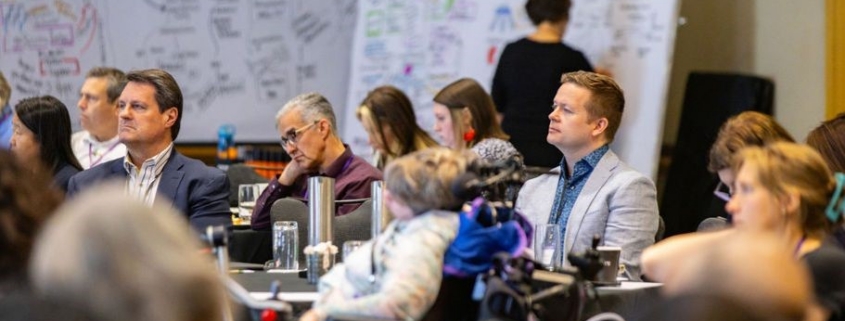
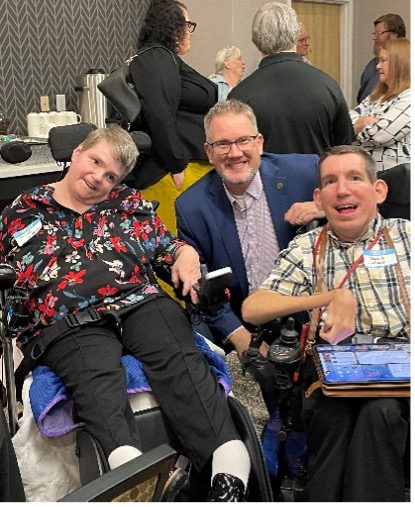
When the bill was at risk of stalling, dozens of wheelchair users showed up in person at the Executive Committee hearing—and it passed!
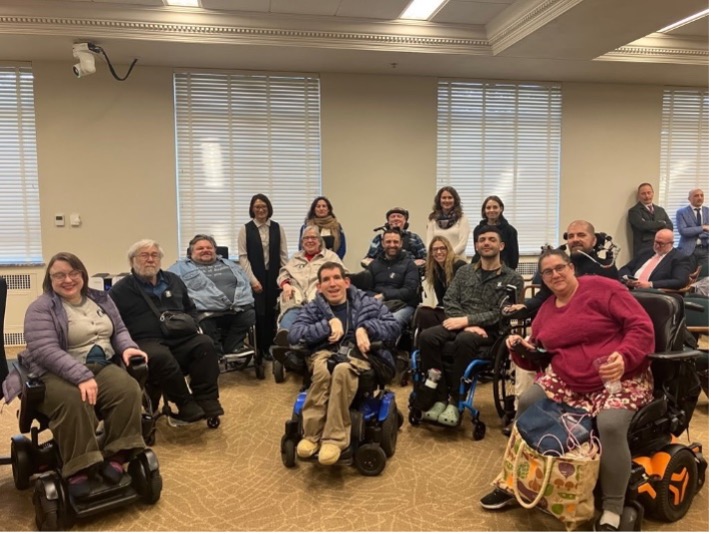
Amazing Advocates at the 5680 Executive Session!
Closing Institutions: A Civil Rights Issue
The Arc of Washington supports HB 1472, the bill to close Rainier and Yakima Valley Residential Habilitation Centers (RHCs).
Read the bill summary
This is about more than just policy or fiscal savings—it’s a civil rights issue.
The Arc believes that people with disabilities have the same rights as everyone else: to live, work, and participate fully in their communities. Institutional settings often restrict freedom, isolate people from society, and limit their choices. In contrast, community living empowers individuals with disabilities to make decisions about their lives, build relationships, and thrive.
Federal laws like the ADA and the Supreme Court’s Olmstead decision affirm that unnecessary institutionalization is a form of discrimination. People deserve access to services in the most integrated, least restrictive setting appropriate.
This week, self-advocates Mike Raymond and Shawn Latham were featured in a thoroughly reported article about HB 1472 written by Laurel Demkovich at Cascade PBS. Arzu Forough of Washington Autism Alliance and our own Executive Director Stacy Dym were also interviewed.
Here’s a brief excerpt from the introduction:
“Mike Raymond doesn’t remember a lot about his time at Rainier School, a habilitation center for people with intellectual and developmental disabilities.
But he still thinks about moving heavy bricks all day, serving on a fire line, and being tied to his bed. Raymond, now 78, spent 14 years at the school. He moved out at age 20, when his sister invited him to live with her.
Since then, he’s gotten married, had a child and become a staunch advocate for closing the facility where he spent all those years.
“We’ve been fighting for a long time,” said Raymond. “Shut them down.”
Read the full article here: WA lawmakers propose closing schools for people with disabilities.
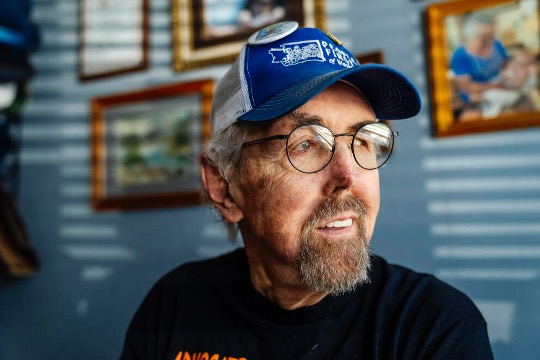
Image from Cascade PBS
Be Part of the Movement
Individuals with disabilities have faced a long struggle to obtain civil rights. Whether it’s IDEA, Section 504, the ADA, or closing institutions, the movement has always been led by strong activists who spoke up, showed up, and made change happen. And that struggle continues today.
The truth is, these inspiring advocates weren’t superheroes—they were ordinary people who wanted to make a difference and took action. By taking small actions, we ALL can make a difference.
With that in mind, will you join us today as a free Member of the Arc? By signing up, you are joining the ranks of a powerful grassroots movement that is family-focused and person-centered.
You’re saying, “Count me in. I’m an advocate for disability rights.’
BECOME A MEMBER
“Never doubt that a small group of thoughtful, committed individuals can change the world. In fact, it’s the only thing that ever has.” — Margaret Mead
-Cathy Murahashi



 The Arc of WA is grateful to be an integral member of The


 Employment


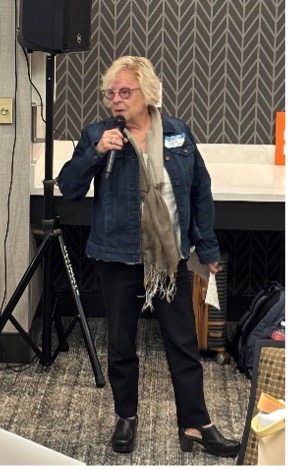

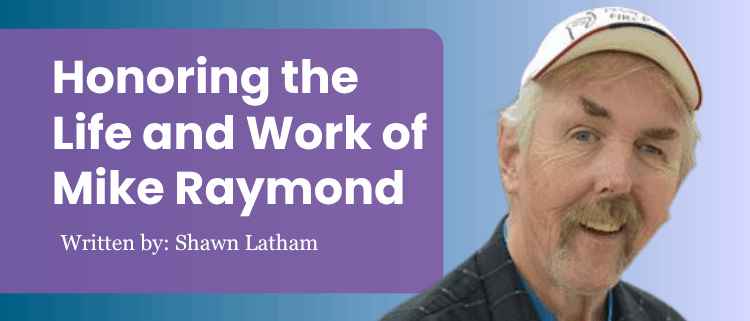
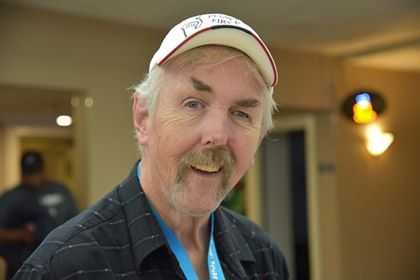 Mike Raymond, a Washington State self-advocacy leader, was born in 1947 and passed away on September 17. Mike advocated over the last 50 years to shut down the Developmental Disability Institutions, also called Residential Habilitation Centers. In particular, Mike fought for the closure of Rainier School in Buckley, one of the remaining four institutions. Mike lived at Rainier School from 1949 to 1969. He was put into Rainer after doctors told his mom he would be better off being there. Later on, the staff told him that his mother had passed away, which was a lie. During his time at Rainier, he experienced and saw many instances of abuse. He often had to push heavy blocks, walk in perfect lines, wear clothing like straightjackets, or be put into isolation when being punished. Mike also witnessed workers there using damp cloths to choke other residents.