Why We Need a Roadmap for the Future
Why Washington Must Invest in Long-Term Planning Now
We are almost halfway through the legislative session, and it has been a flurry of activity—hearings, executive sessions, meetings—it’s all a bit of a blur. Wednesday, February 4, marked the first major cutoff, when bills needed to be passed out of policy committees. The next key deadline was Monday, February 9, when bills must have been out of the fiscal (money) committees in order to stay alive this session.
Over the past few weeks, we’ve been asked whether there is any legislative activity aimed at closing Residential Habilitation Centers (RHCs). The short answer is: no. There are currently no bills this session that would close RHCs.
What is happening is a series of small, bipartisan bills intended to gather information, improve transparency, and preserve historical context—steps that can help inform future decisions. These bills include:
- SB 5863 – An act relating to the preservation and inspection of state historical records
- HB 2319– Renaming certain state residential facilities for persons with developmental disabilities takes out the word “school”.
- HB 2350– Increasing transparency regarding Residential Habilitation Center compliance with specific federal requirements
Last year, one of the primary arguments against closing RHCs was that “there was no plan” for how to transition people and build the necessary community-based supports. That concern is real—and it has been echoed for years.
The Developmental Disabilities Community Services (DDCS) system has produced numerous reports and studies, including The Rucklehaus Report (2019), which identified significant challenges and outlined thoughtful potential solutions. Unfortunately, many of those recommendations stalled during the pandemic and were never fully implemented.
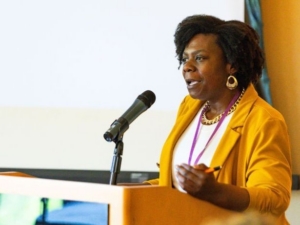
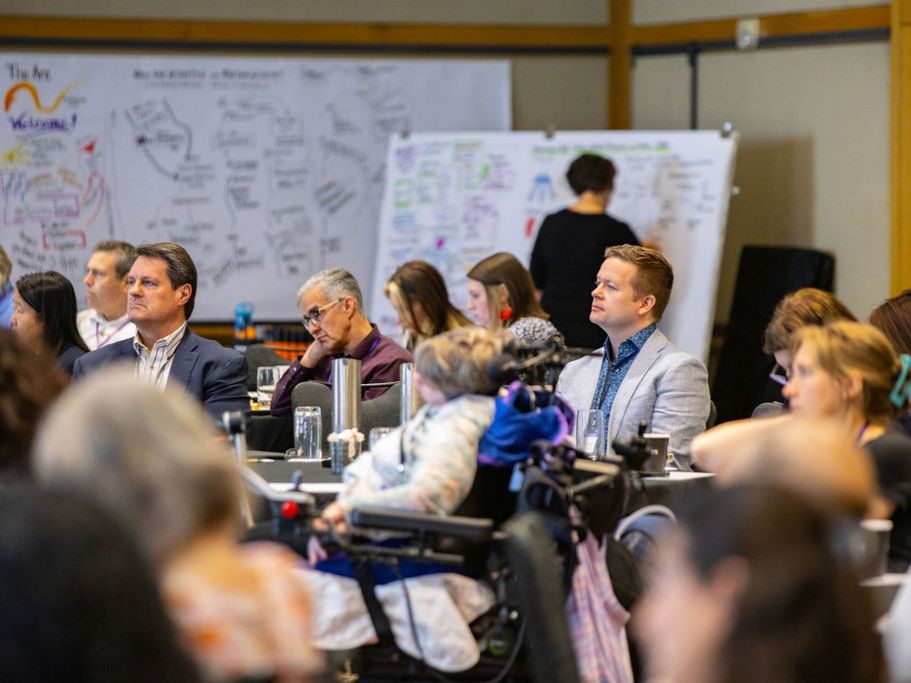
Last summer, The Arc convened dozens of legislators, community members, and disability policy experts at first National Developmental Disabilities Legislative Symposium to review how far we’ve come in Washington state and what is next for investments in community services.
In addition, DDCS has held multiple listening sessions over the past several years, including through the Legislative and Regulatory Community Council (LRCC). These forums consistently highlighted serious gaps in community supports—particularly for individuals in crisis and people with high and complex support needs. The issues are well known. What we continue to lack is a clear, coherent, and funded plan to move forward.
When Governor Inslee took office 13 years ago, he made what was then ALTSA (Aging and Long-Term Services Administration), now part of HCLA, a clear priority. A robust stakeholder process produced a strategic plan to move away from institutional care and toward community-based services. Today, Washington State is considered first or second in the nation (depending on the metrics used) and is widely viewed as a national leader. In 2023 alone, ALTSA supported the transition of 8,053 people into community settings. Other states regularly look to Washington as a model.
That expertise exists. Now that DDCS is also housed within HCLA, we believe it’s time to apply that same level of intentional planning, investment, and accountability to developmental disability services.
For too long, DDCS has operated with a “band-aid” approach—small, one-time investments each biennium that are deemed sufficient without addressing systemic barriers. This leaves families, providers, and individuals with developmental disabilities in a constant state of uncertainty.
That’s why The Arc of Washington is asking the Legislature for a proviso to fund a facilitated, 10-year strategic plan. This plan would build on existing reports, incorporate the extensive input from stakeholder listening sessions, and lay out sequenced, intentional investments to strengthen community-based services statewide.
We know there is little new money available in the operating budget this session. However, there is funding in the Dan Thompson Account, which was specifically created to benefit the developmental disabilities community and build statewide capacity. Even in this difficult budget environment, there is an opportunity to take meaningful steps forward.
We cannot afford to wait any longer. Planning now is the only way to ensure that future decisions—whatever they may be—are thoughtful, data-informed, and centered on the needs of people with developmental disabilities and their families.
Call to Action
Now is the time for action. We urge legislators to support a budget proviso that funds a facilitated 10-year strategic plan for Developmental Disability Community Services—a plan grounded in existing research, informed by stakeholder voices, and focused on building real, sustainable community-based supports.
This is not about closing facilities today. It is about doing the responsible work that should have been done years ago: planning for the future, addressing long-standing gaps in services, and ensuring people with developmental disabilities and their families are not left without options.
We ask policymakers to use available resources, including the Dan Thompson Account, to begin this work now. Families, providers, and individuals with developmental disabilities cannot afford to wait another biennium for direction. Every year without a plan is another year of uncertainty, another year of crisis placements, another year people with IDD are struggling without adequate support. The time for planning is now—so that future decisions are thoughtful, data-informed, and centered on dignity and choice – and solutions are chartered across biennial budgets and election cycles.
Let’s plan now, invest strategically, and build the system Washington’s developmental disabilities community has been asking for. The question is no longer whether we have the information to move forward—it’s whether we have the courage to begin.
What Can You Do?
Call your legislator at 1-800-562-6000 and ask them to support the proviso that creates a long-term plan for Developmental Disabilities Community Services.